
Don’t Settle for the Sidelines – Relieve Your Sports Injury in Irving or Frisco, TX with Physical Therapy
Return to the Sport You Love ASAP
Whether you’re a professional athlete or a weekend warrior, it is important to stay safe while performing your sport. Any injury sustained during physical activity can be categorized as sports injuries – and at Texas Star Rehab & Performance in Frisco, TX, and Irving, TX we’re here to get you off the sidelines and back in the game!
Don’t simply wait around for your injury to heal – get back to the sport you love quicker with the help of one of our dedicated physical therapists.
How will physical therapy help with my sports injuries in Irving & Frisco, TX?
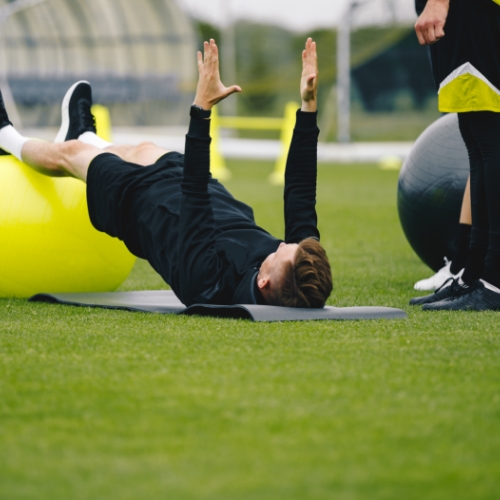
Our physical therapists are movement experts who can help you reach your physical goals. They will prescribe an individualized treatment plan for you based on your specific needs, in order to help get you back in the game as quickly as possible.
Your plan will likely include manual therapy to increase your range of motion and reduce scar tissue, stretches to improve balance and mobility, and strengthening exercises to enhance the injured area, as well as its surrounding areas. This will be done after first performing a diagnostic exam, and your physical therapist may also review diagnostic tests, such as X-rays, MRI, or ultrasound. Treatment plans will take into account the nature of your injury, your fitness level, and your lifestyle. These are all done to help you recover after your sports injury and to prevent further injuries from occurring in the future.
Have you recently sustained sports injuries in Irving & Frisco, TX? If so, don’t hesitate to request an appointment at Texas Star Rehab & Performance.
Why did I sustain a sports injury in Irving & Frisco, TX
One of the most important aspects of sports injury rehabilitation in Irving & Frisco, TX is treating it as soon as possible.
The term “sports injury” is all-encompassing, including any type of injury that occurs while performing the athletic activity.
It can happen just the same by lifting heavy weights at the gym or running in ill-fitted shoes, as it can by swinging a bat too aggressively or rolling your ankle on the soccer field.
Your treatment plan and duration of recovery will vary depending on how severe the injury is, your health history, and whether or not the injury requires surgical intervention.
Did you sustain one of these injuries?
There are a number of different injuries that can occur while performing athletic activity.
However, the most common forms of sports injury include:
Shin splints
The medical term for shin splints is “medial tibial stress syndrome,” referring to pain that is felt in the shin bones. This pain is typically caused by stress placed on the shinbone and the connective tissues surrounding it. Shin splints are painful and often debilitating; however, they can be avoided by wearing proper footwear, warming up before exercise, and strengthening your core and leg muscles.
Knee injuries
Your knee is the most complex joint in your body and is, therefore, one of the most commonly injured body parts. Knee injuries may include dull aches that run from your hip to your knee, repetitive use injuries making it difficult to move the knee, or more severe injuries such as an ACL tear.
Strain or “pulled muscle”
A strain is also referred to as a “pulled muscle” and occurs when a tendon connecting your muscle to bone is stretched beyond its limits. Once the tendon is overstretched, it is more likely that it will be strained once again.
Sprain
A sprain occurs when a ligament connecting one bone to another is stretched beyond its limits. Once a sprain occurs and a ligament is overstretched, it is more likely that it’ll occur again.
Get back in the game with Texas Star Rehab & Performance!
At Texas Star Rehab & Performance, we’ll help you recover as quickly as possible so you can return to the sport you love!
Frequently Asked Questions
What are the most common sports injuries treated with physical therapy?
Physical therapy can help treat a wide range of sports injuries, including sprains, strains, tendonitis, ligament injuries, runner’s knee, shin splints, rotator cuff injuries, tennis elbow, ankle injuries, and overuse conditions. At Texas Star Rehabilitation and Wellness Center, treatment plans are customized to the specific injury, sport, and goals of each athlete.
How can physical therapy help me recover from a sports injury?
Physical therapy helps athletes recover by reducing pain, restoring mobility, improving strength, correcting movement patterns, and promoting proper healing. Treatment may include hands-on therapy, targeted exercises, balance training, and sport-specific rehabilitation designed to help you safely return to activity while minimizing the risk of re-injury.
When should I start physical therapy after a sports injury?
In many cases, starting physical therapy as soon as possible after an injury can help speed recovery and prevent compensatory movement patterns from developing. Early intervention may reduce pain and swelling, improve mobility, and support a more efficient return to sports and physical activity.
Can physical therapy help prevent future sports injuries?
Yes. Physical therapy not only helps athletes recover from injuries but also focuses on injury prevention. By improving strength, flexibility, balance, coordination, and movement mechanics, physical therapy can help identify and address weaknesses or imbalances that may increase the risk of future injuries.
Do I have to be an athlete to benefit from sports injury physical therapy?
No. Sports injury rehabilitation is beneficial for anyone who has been injured during physical activity, exercise, recreational sports, or fitness training. Whether you are a competitive athlete, weekend warrior, runner, golfer, or active adult, physical therapy can help you recover safely and return to the activities you enjoy.
Your Next Steps…
Request An Appointment
Receive A Custom Treatment Plan
Work Hard and Progress In Your Recovery
Recover & Enjoy Life Pain-Free!