Recover Strong: Stress Fracture Management Exercises for Speedy Healing
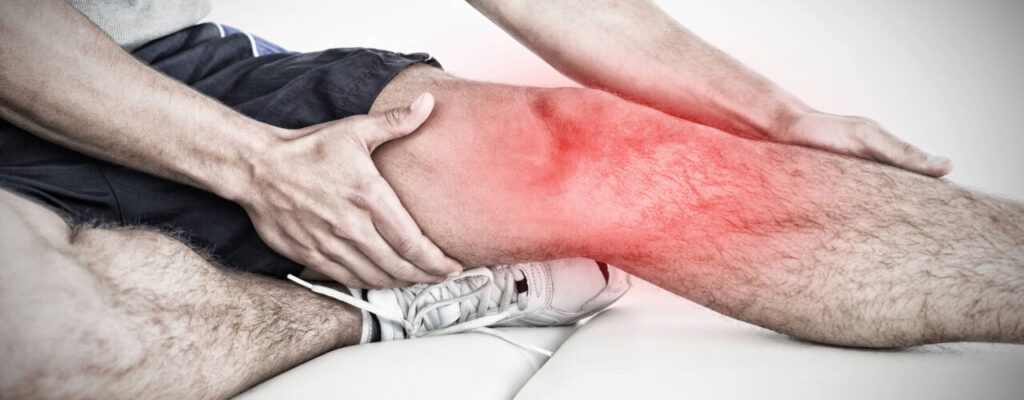
Stress fracture management is not just about overcoming an injury; it’s about reclaiming your active lifestyle with confidence and resilience. Meet Alex, a dedicated soccer player whose passion for the game knows no bounds. However, a persistent ache in his shin threatens to sideline him, affecting his performance on the field and overall enjoyment of the sport.
Ready to get started with physical therapy for sports fracture? Call our team at Texas Star Rehab & Performance in Frisco, TX, and Irving, TX today to learn more!
Understanding Stress Fracture Management: Defining the Injury and Exploring Causes
It has become evident to Alex that understanding stress fracture management is essential for athletes like him. Let’s delve deeper into the symptoms and causes of stress fractures to shed light on Alex’s experience and how it reflects the challenges faced by many individuals:
Symptoms of Stress Fracture
Localized Pain
- Like Alex, individuals with stress fractures often experience sharp, pinpoint pain in the affected area, particularly during physical activity.
Tenderness
- Upon examination, the injured site may feel tender to the touch, signaling inflammation and potential damage to the bone.
Swelling
- Swelling around the affected area is common, accompanied by redness or warmth, indicating the body’s response to injury.
Gradual Onset
- Unlike acute fractures from trauma, stress fractures develop gradually over time.
Pain During Rest
- During rest periods individuals like Alex may experience persistent discomfort, disrupting sleep and daily activities.
Change in Activity Level
- As the pain intensifies, athletes may notice a decline in performance and have to limit their participation in sports or recreational activities.
Common Causes of Stress Fracture
Overuse
- Athletes who engage in repetitive, high-impact activities are at increased risk of stress fractures due to the constant strain placed on their bones.
Sudden Increase in Activity
- Abruptly ramping up training intensity or duration without adequate rest intervals can overwhelm the body’s ability to adapt, leading to stress fractures.
Biomechanical Factors
- Poor running mechanics or improper footwear can alter the distribution of forces on the bones, predisposing them to stress fractures.
Inadequate Recovery
- Insufficient rest and recovery periods between training sessions prevent bones from repairing and adapting to the stress imposed on them, increasing the risk of injury.
Nutritional Deficiencies
- Poor dietary habits or inadequate intake of essential nutrients like calcium and vitamin D weaken bones, making them more susceptible to stress fractures.
Understanding these symptoms and causes empowers individuals to recognize warning signs and take proactive steps toward stress fracture management. By addressing underlying factors and seeking timely intervention, individuals can expedite their recovery and return to their favorite activities.
How Physical Therapy Can Help You Recover Strong from Sports Injury
As Alex grapples with the persistent ache in his shin, he seeks solutions to overcome his injury and get back on the field stronger than ever.
Alex’s Roadmap to Recovery
Manual Therapy
- Alex undergoes hands-on techniques such as massage or manipulation to alleviate pain and improve mobility in his injured shin. These techniques help reduce muscle tension, promote tissue healing, and restore proper joint function.
Therapeutic Exercises
- Alex’s physical therapist designs a customized exercise program targeting his specific needs and goals. These exercises focus on strengthening the muscles surrounding his shin, improving flexibility, and enhancing overall stability. By gradually increasing the intensity and difficulty of exercises, Alex rebuilds strength and resilience in his injured leg.
Biomechanical Analysis
- Alex’s physical therapist conducts a thorough biomechanical analysis to assess his movement patterns and identify any underlying issues contributing to his injury. By addressing biomechanical imbalances or faulty movement patterns, biomechanical analysis helps prevent future injuries and optimize Alex’s performance on the field.
Activity Modification
- Throughout his rehabilitation, Alex learns the importance of modifying his activity level to allow his shin to heal correctly. His physical therapist educates Alex, gradually reintroducing soccer-specific activities while monitoring his progress and adjusting his treatment plan as needed.
Education and Prevention Strategies
- As Alex progresses, his physical therapist educates him on proper warm-up techniques, injury prevention strategies, and the significance of rest and recovery. Equipped with his knowledge and tools to prevent future injuries, they ensure his long-term success and well-being on and off the field.
By incorporating these comprehensive treatment methods into his rehabilitation plan, Alex addressed the symptoms of his shin injury and laid the foundation for a strong and resilient return to soccer. With the guidance and support of his physical therapist, he can confidently pursue his passion for the game while minimizing the risk of future injuries.
Embracing Strength Through Stress Fracture Recovery
Ready to embark on your journey towards recovery and resilience? Reach out to our team at Texas Star Rehab & Performance in Frisco, TX, and Irving, TX today to discover how physical therapy can help you reclaim your strength and vitality.